
Ref. 2220 — 221 "Atlantic" — NORD — No. 2.670
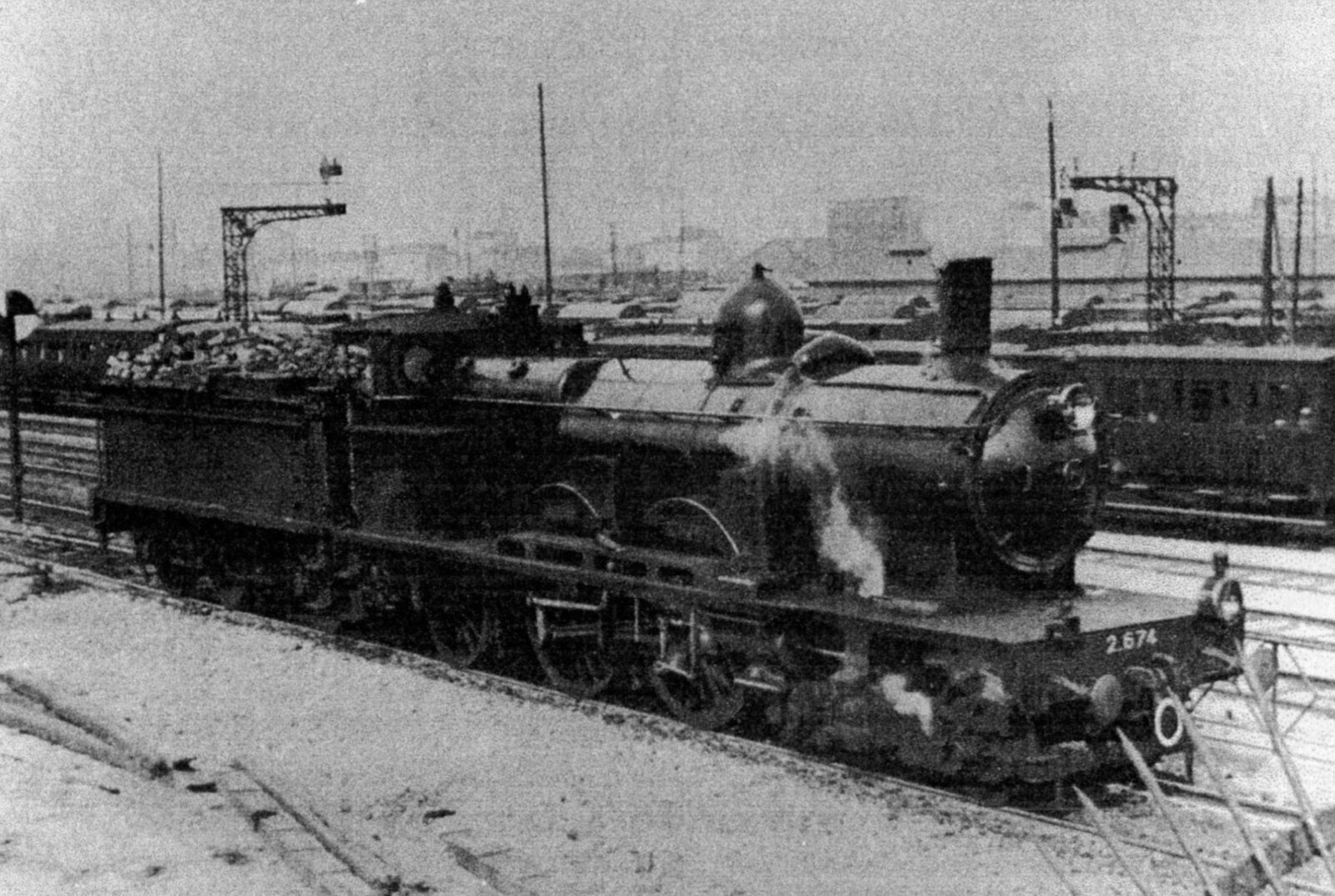
Photo D.R.221 "Atlantic"
France — Scale H0 (1:87)
This was the work of M. du Bousquet, in collaboration with M. de Glehn, and takes us back to the Paris Universal Exhibition of 1900. The mechanical section was set up at Vincennes. Among the locomotives on show, one caught the visitors' attention: it charmed with the clarity of its outer lines, the sobriety of its components and the harmony of its fine proportions. The chocolate-brown color, enhanced by yellow lining, with black banding, was a very pleasing aesthetic effect.
Read the full story ↓| Company | Type | Running number | Livery | Ref. |
|---|---|---|---|---|
| NORD | 221 « Atlantic » | 2.670 | chocolate brown | 2220 |
| NORD | 221 « Atlantic » | 2.662 | chocolate brown | 2220/2 |
| SNCF | 221 A « Atlantic » | 22 | green | 2220/1 |
This was the work of M. du Bousquet, in collaboration with M. de Glehn, and takes us back to the Paris Universal Exhibition of 1900. The mechanical section was set up at Vincennes. Among the locomotives on show, one caught the visitors' attention: it charmed with the clarity of its outer lines, the sobriety of its components and the harmony of its fine proportions. The chocolate-brown color, enhanced by yellow lining, with black banding, was a very pleasing aesthetic effect.
The latest expression of the refinements brought by the compound system, it influenced the construction of almost all Nord locomotives until 1930. Remarkably, its design principles were adopted worldwide: the British and the Americans, so independent-minded, took it up as it stood for trials on the Great Western and the Pennsylvania R.R. Series were built for India and Egypt.