
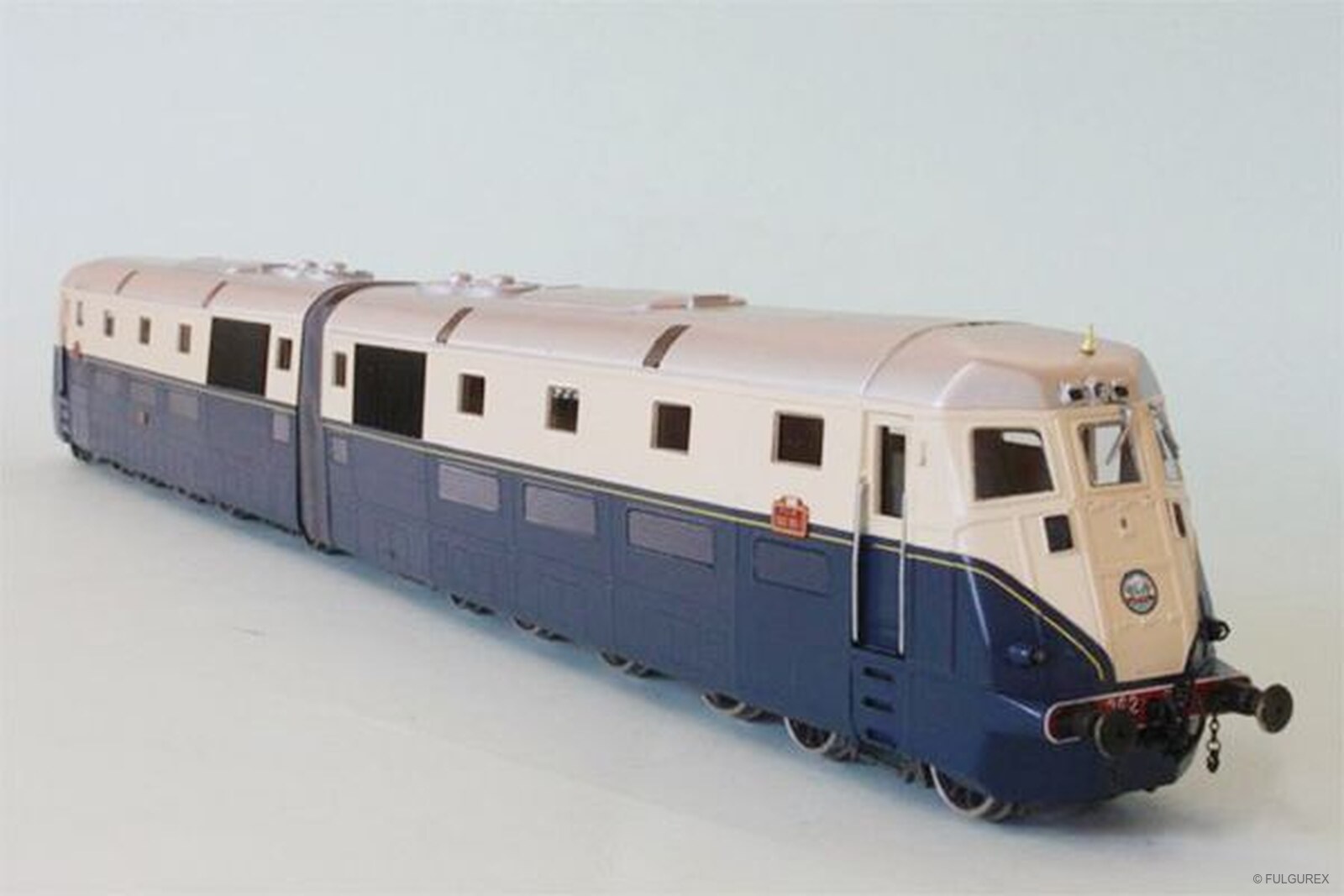
Ref. 2265/2 — 2C2+2C2 / 262 — PLM — No. BD1
2C2+2C2 / 262
France — Scale H0 (1:87)
What the PLM expected of diesel traction: this long-awaited locomotive was already on show, as plans, on the PLM stand at the 1931 Colonial Exhibition. Trials carried out in 1933 showed that, once perfected, this form of traction could provide the same service and achieve the same performance as steam or electric traction. Above all, it would spare the PLM the cost of electrifying the Paris – Marseille line, a considerable investment equal to more than two years of profits that the company could not afford.
Read the full story ↓| Company | Type | Running number | Livery | Ref. |
|---|---|---|---|---|
| PLM | 262 AD 1 / BD 1 (2C2 + 2C2) | BD1 | blue & off-white roof | 2265 |
| PLM | 262 AD 1 / BD 1 (2C2 + 2C2) | AD1 | blue & cream | 2265/1 |
| PLM | 262 AD 1 / BD 1 (2C2 + 2C2) | BD1 | blue & cream | 2265/2 |
| SNCF | 262 AD 1 / BD 1 (2C2 + 2C2) | AD1 | blue & cream | 2266 |
| SNCF | 262 AD 1 / BD 1 (2C2 + 2C2) | AD1 | blue & cream | 2266/1 |
| SNCF | 262 AD 1 / BD 1 (2C2 + 2C2) | BD1 | blue & cream | 2266/2 |
| SNCF | 262 AD 1 / BD 1 (2C2 + 2C2) | BD1 | blue & cream | 2266/3 |
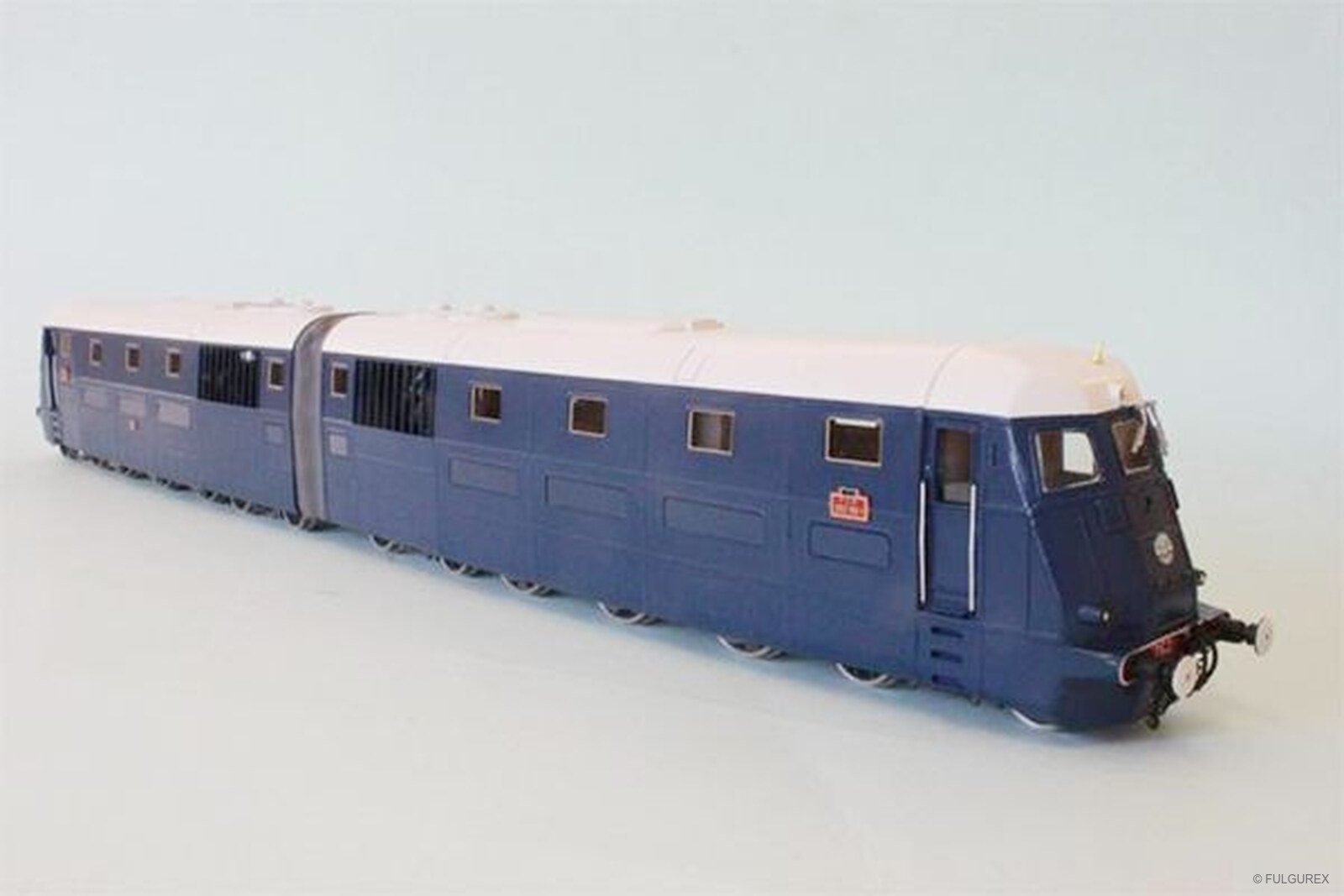
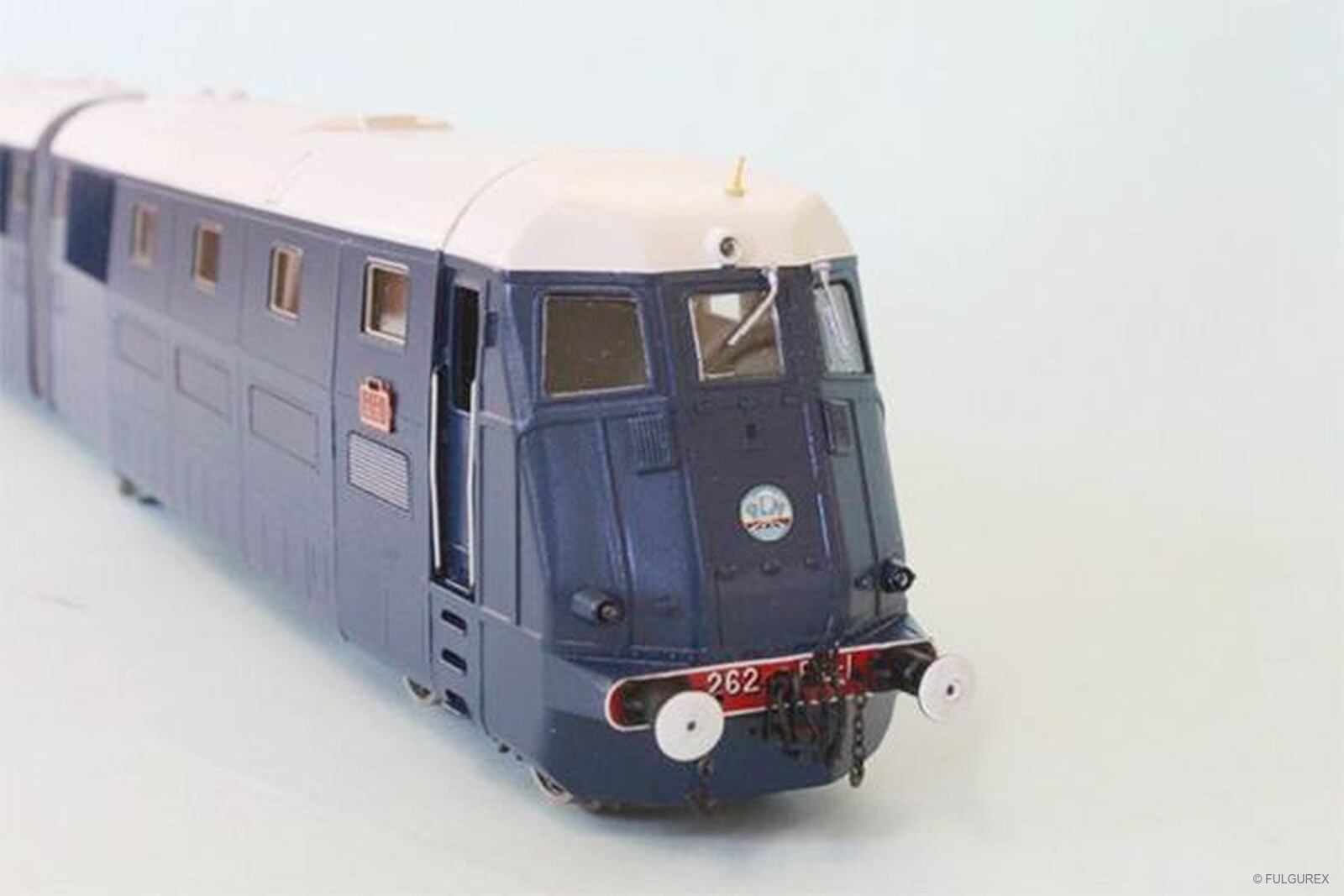
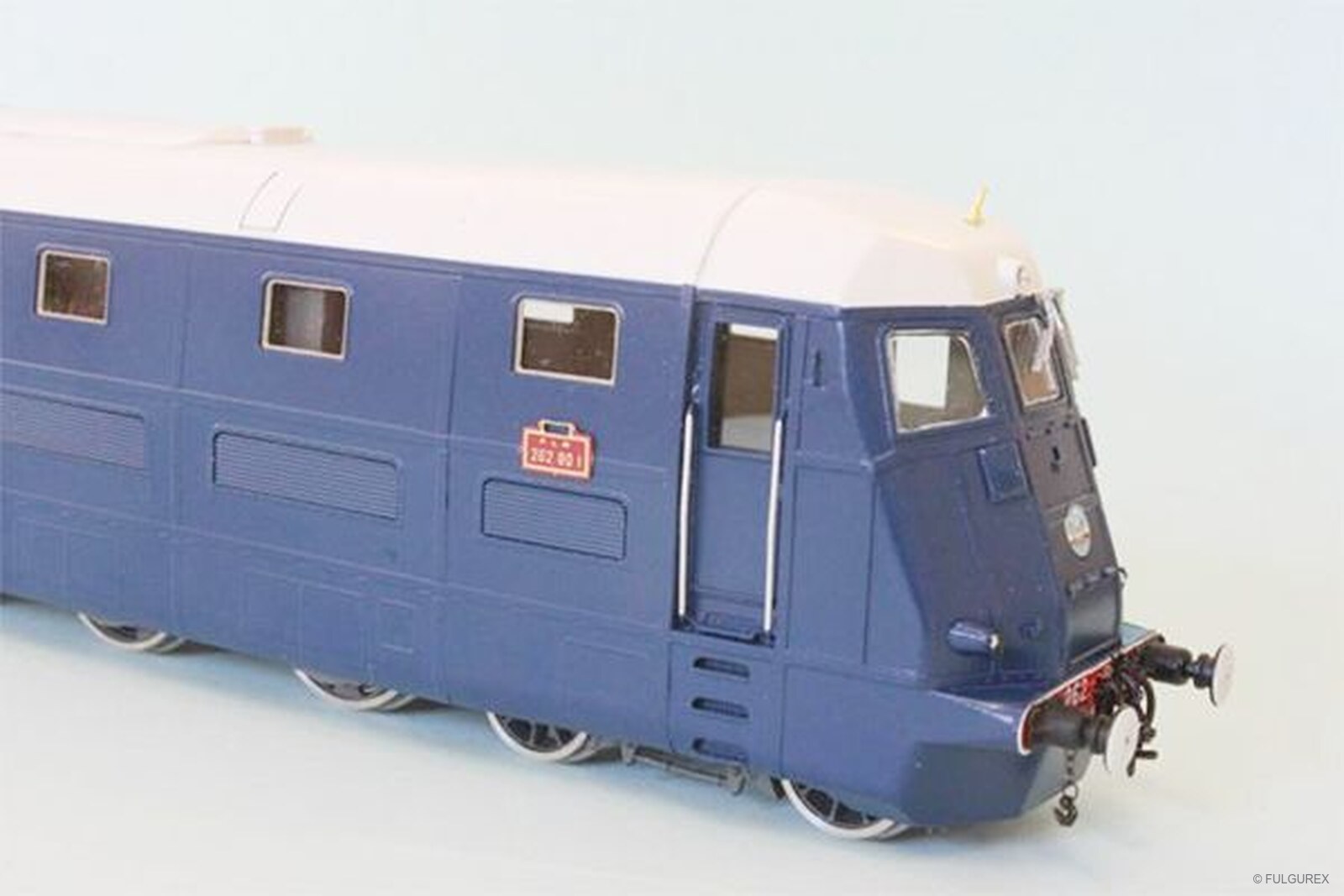
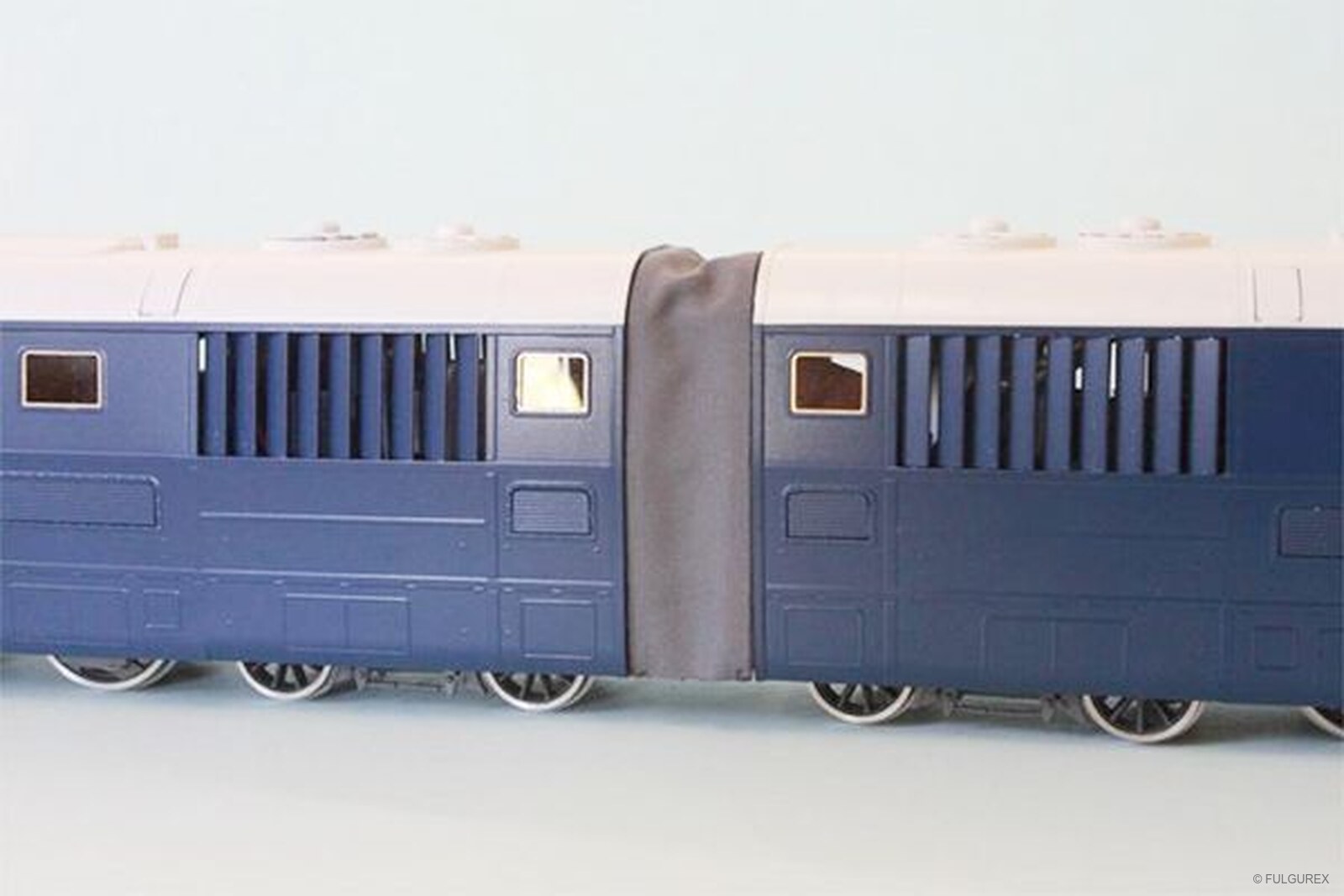
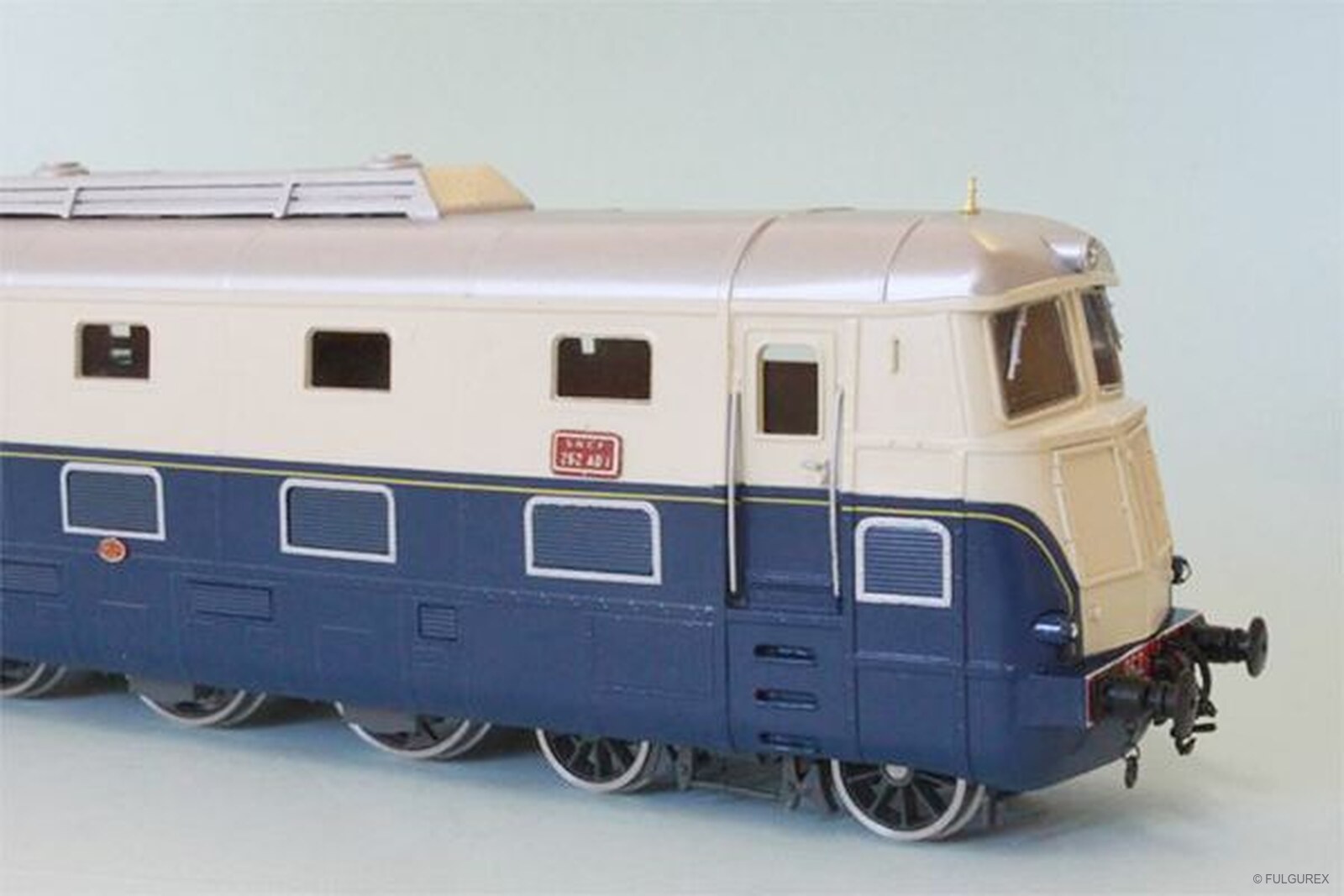
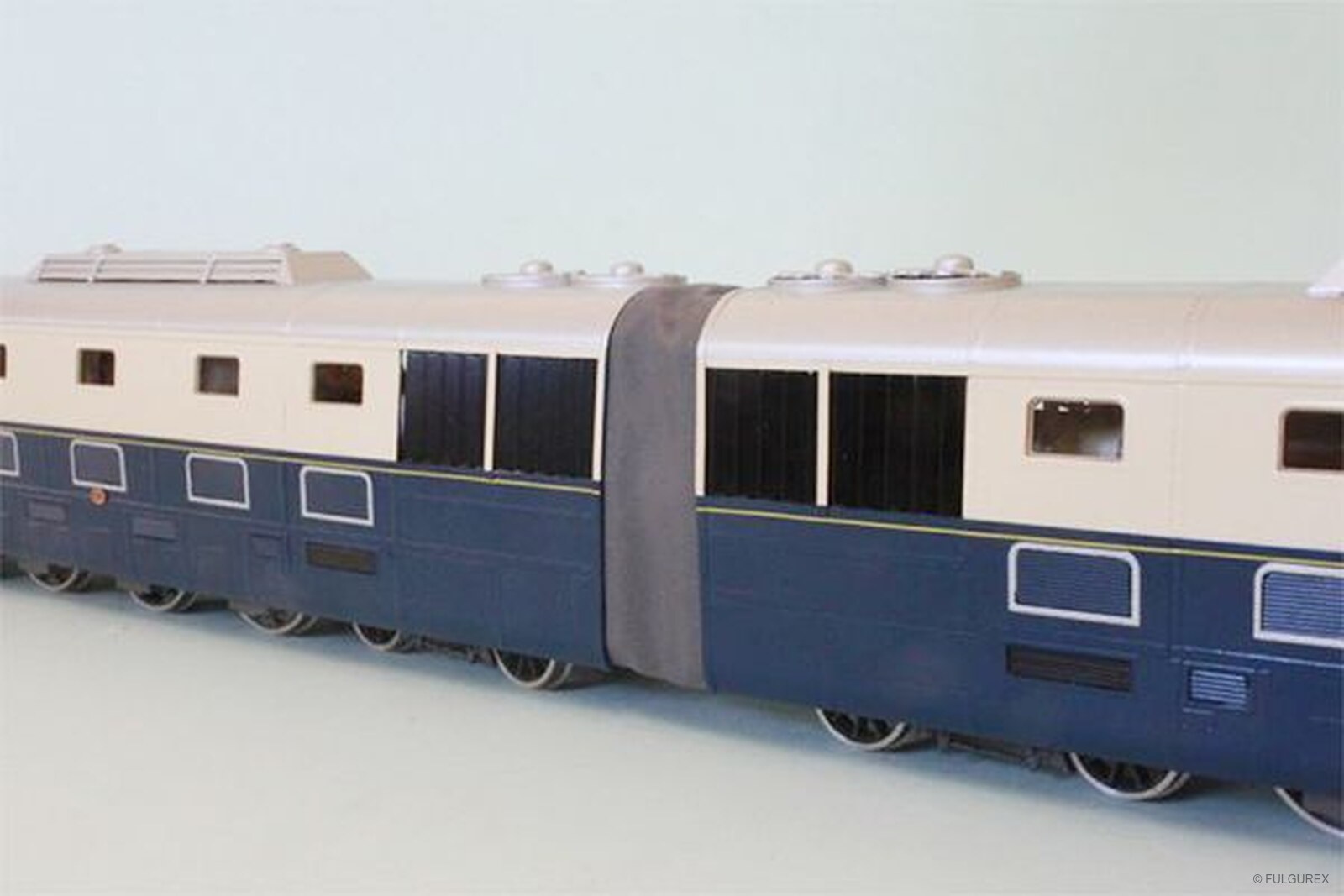
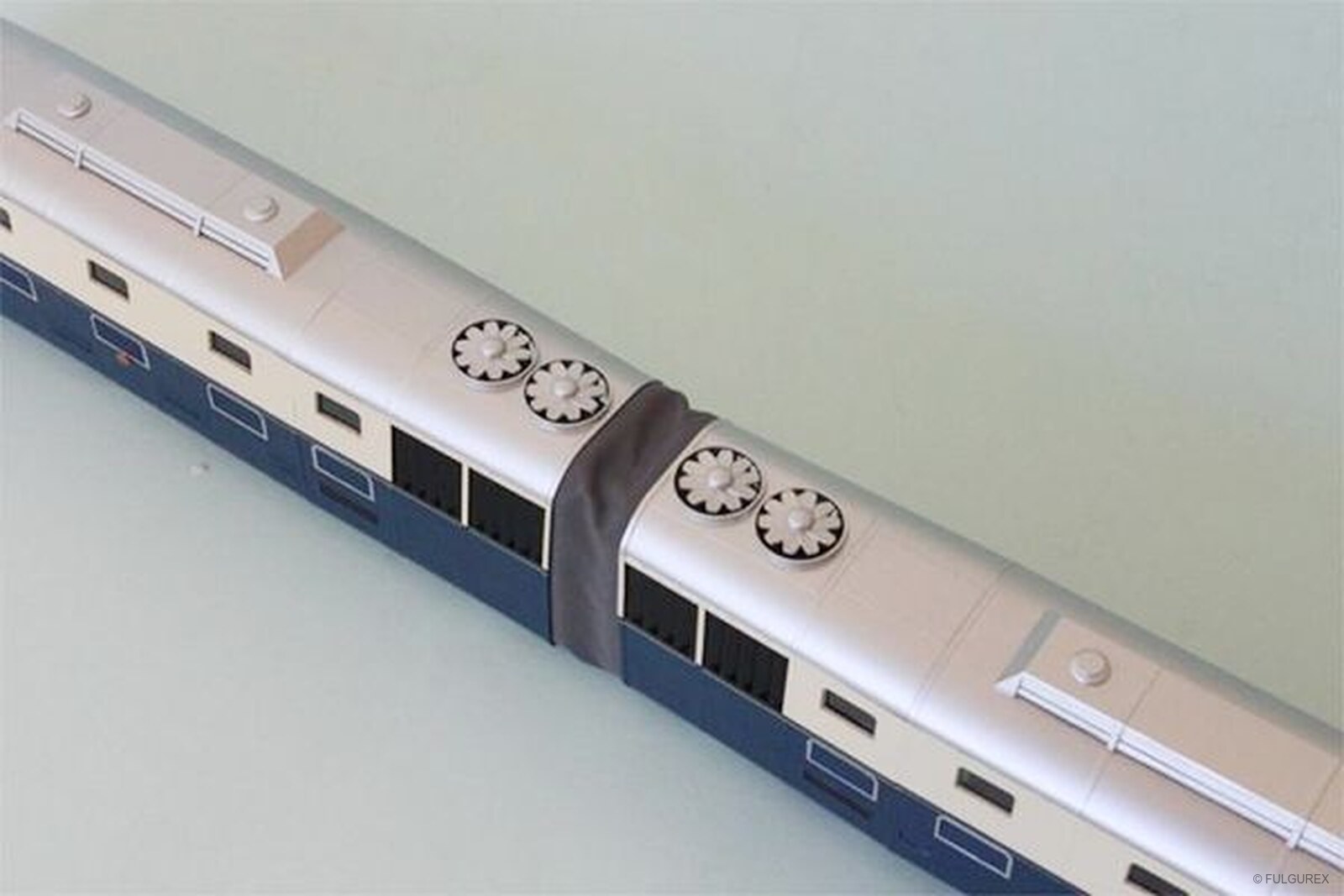
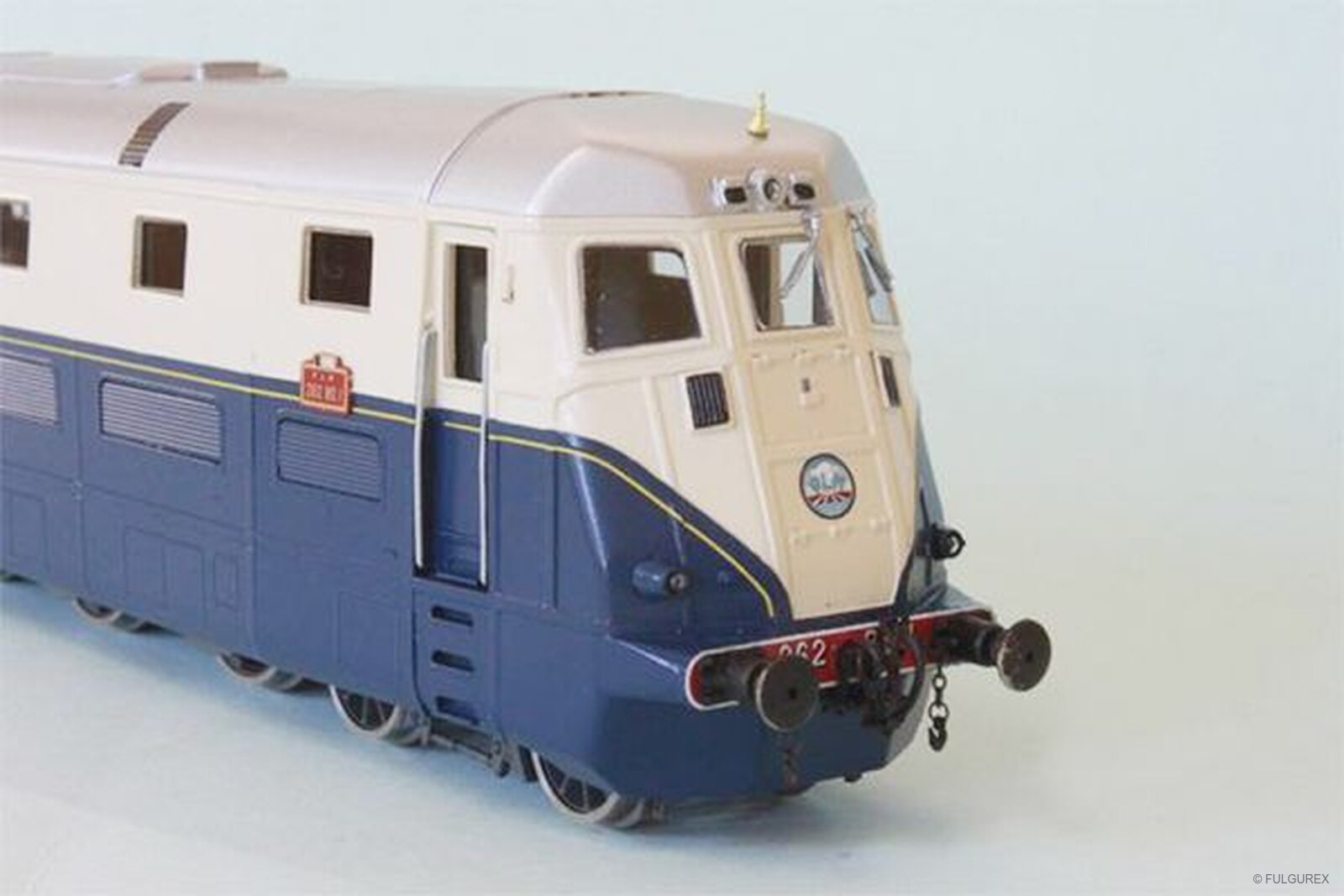
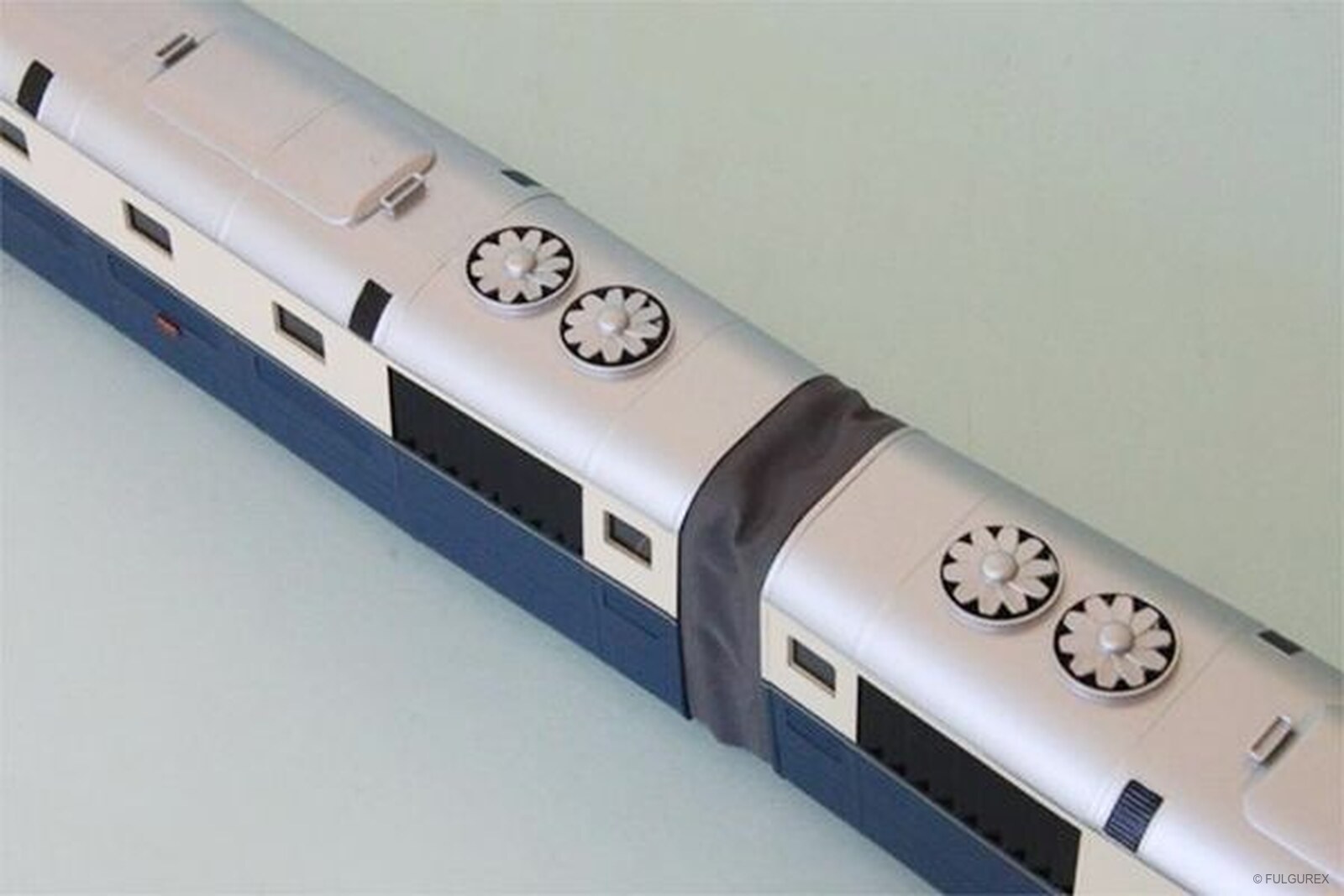
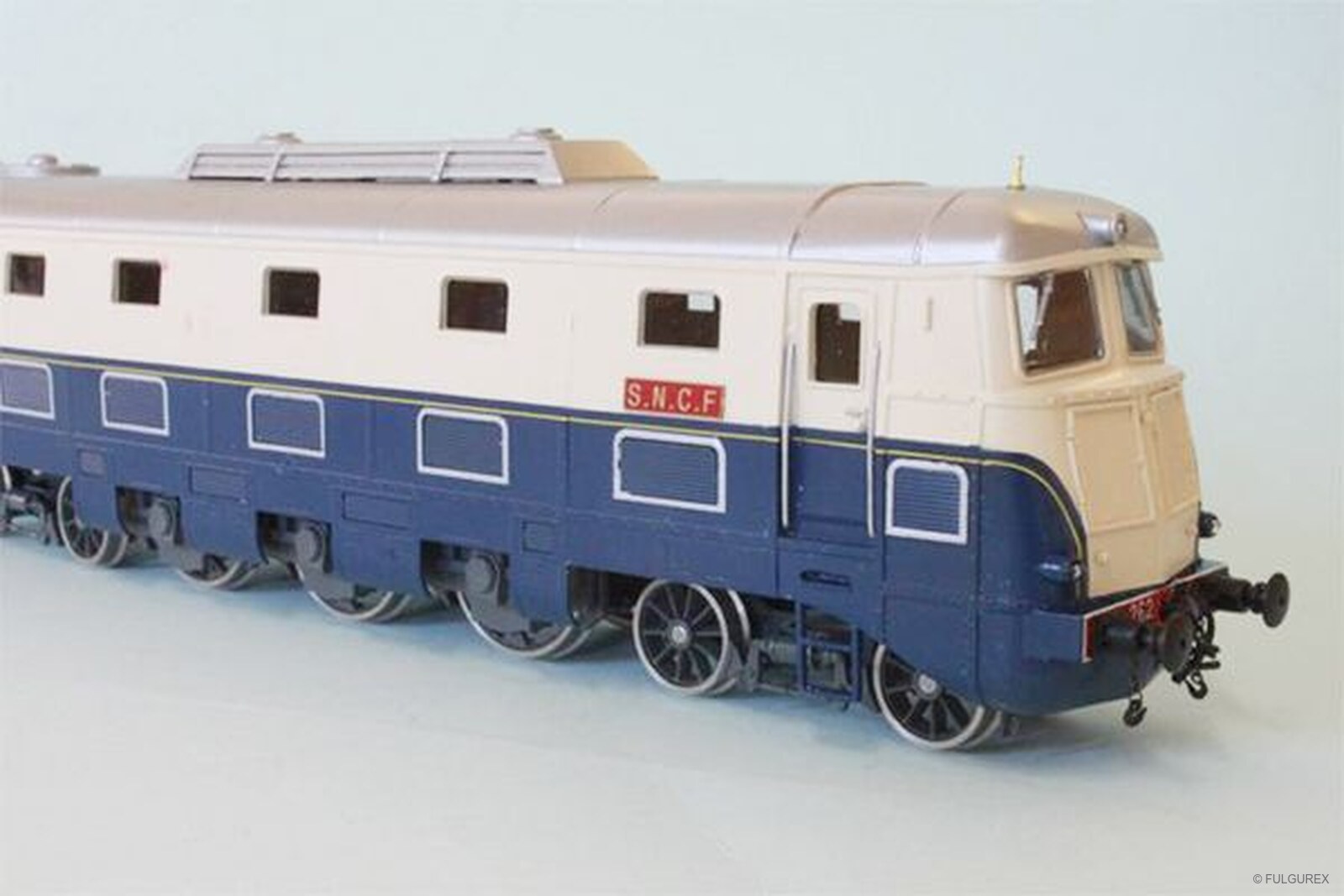
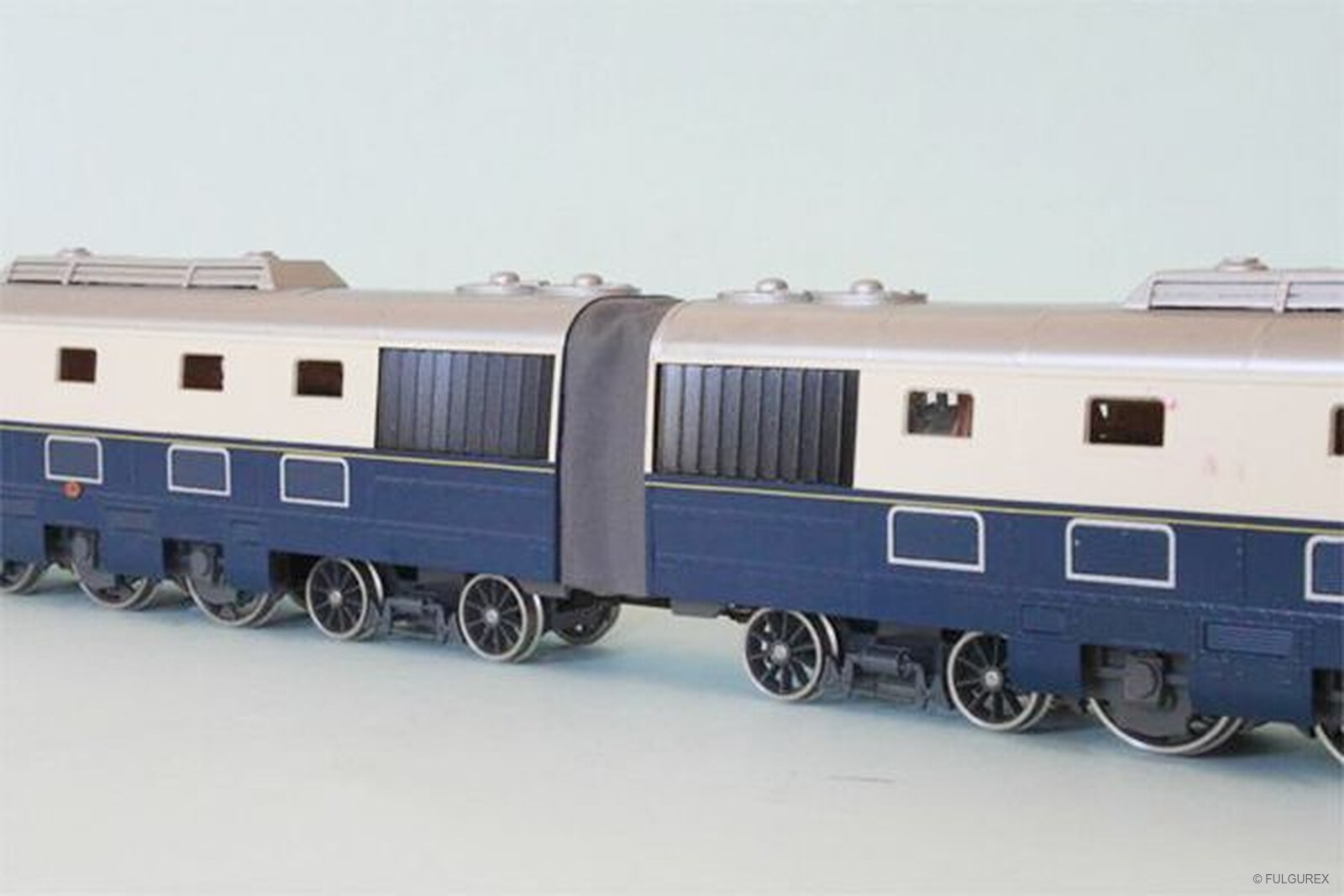
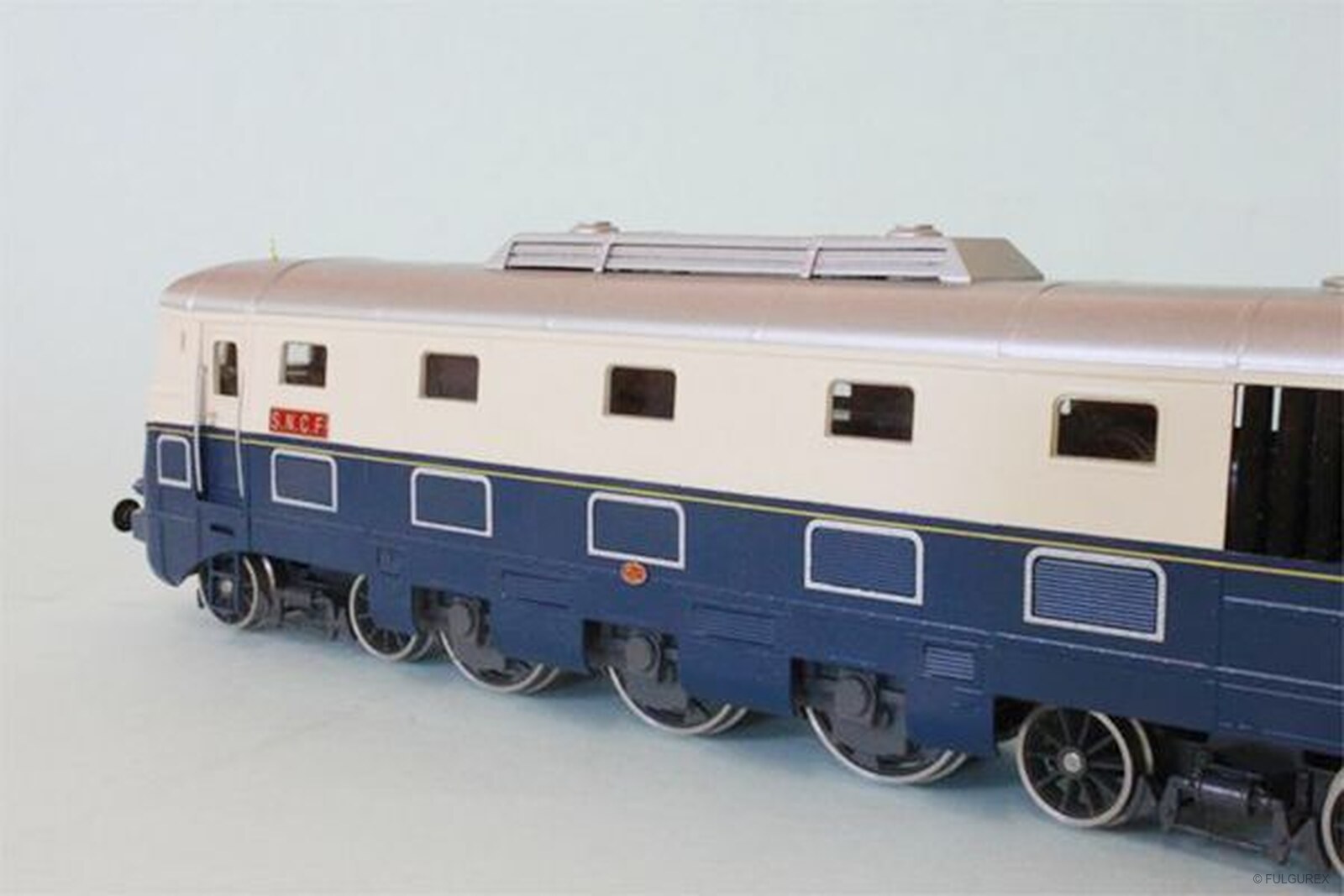
What the PLM expected of diesel traction: this long-awaited locomotive was already on show, as plans, on the PLM stand at the 1931 Colonial Exhibition. Trials carried out in 1933 showed that, once perfected, this form of traction could provide the same service and achieve the same performance as steam or electric traction. Above all, it would spare the PLM the cost of electrifying the Paris – Marseille line, a considerable investment equal to more than two years of profits that the company could not afford.
These locomotives ran very well and proved powerful and reliable. Tractive effort remained modest, however, in relation to the total weight of 225 to 230 tonnes, the machine being in fact two coupled 2C2 locomotives. Their good results in service and the relative absence of maintenance problems kept both machines in service with the SNCF, which took them over, until 1956. They differ mainly in their front cabs (3 windows or 2 windows), their side fairings and, of course, their livery.