
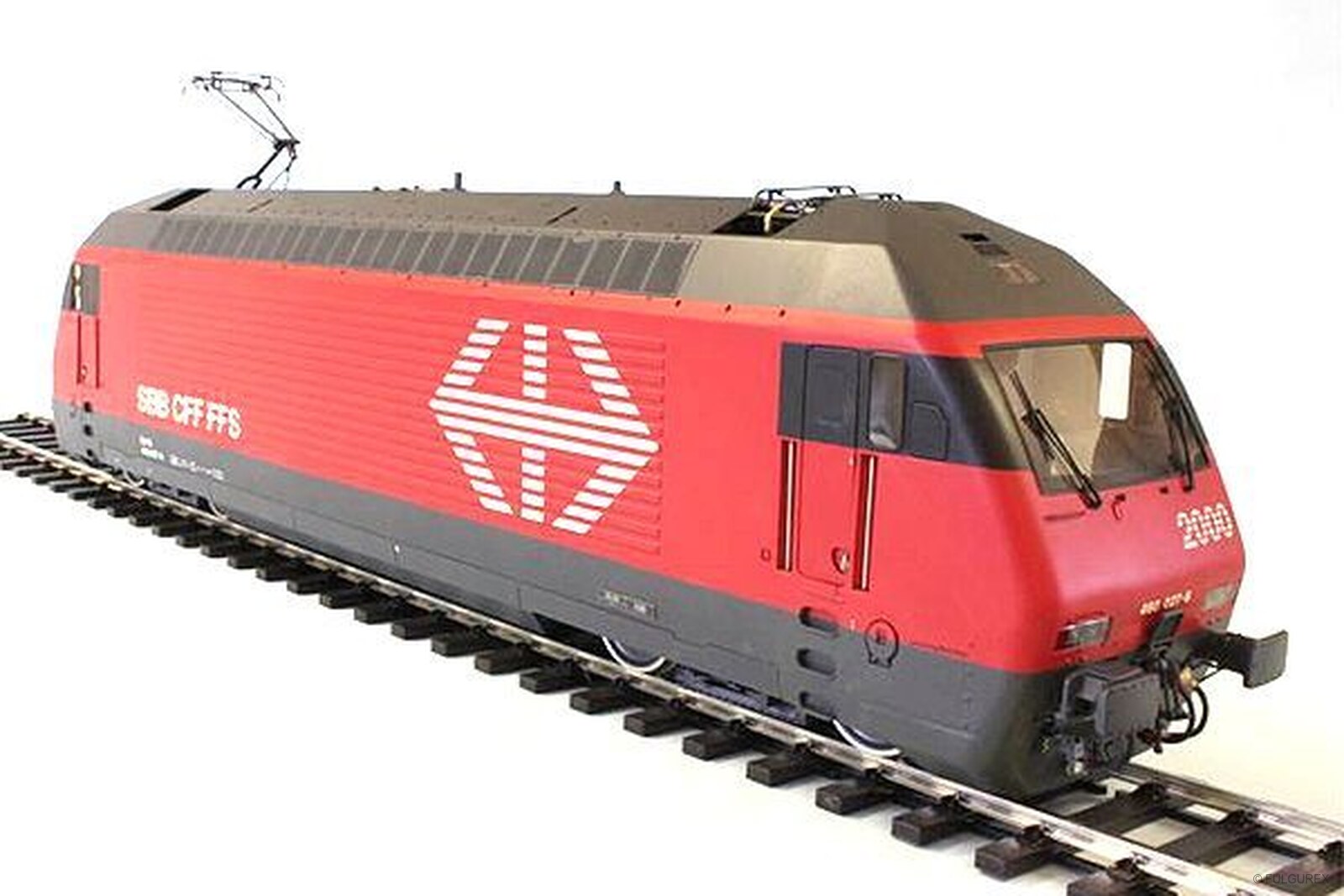
Ref. 1257 — Re 460 and Re 465 — SBB/CFF/FFS — No. 460 027-6
Re 460 and Re 465
Switzerland — Scale 1 (1:32)
With the approval of the "Rail 2000" project, the green light had been given not only for improving Switzerland's railway infrastructure but also for the development and construction of a new high-speed locomotive. In 1985 the SBB commissioned SLM and ABB to build a versatile four-axle express locomotive with a top speed of over 200 km/h. The first 12 locomotives were ordered in 1987 and delivered in 1992. The first test runs ended in "fiasco": more than 450 larger and smaller teething troubles had to be eliminated.
Read the full story ↓| Company | Type | Running number | Livery | Ref. |
|---|---|---|---|---|
| SBB/CFF/FFS | Re 460 | 460 027-6 | red | 1257 |
| SBB/CFF/FFS | Re 460 | 460 090-4 | red | 1257/1 |
| SBB/CFF/FFS | Re 460 | 460 102-7 | red | 1257/2 |
| SBB/CFF/FFS | Re 460 | 460 034-2 | blue & white | 1257/4 |
| SBB/CFF/FFS | Re 460 | 460 024-3 | blue & white | 1257/5 |
| BLS | Re 465 | 465 002-4 | blue | 1258 |
| BLS | Re 465 | 465 013-1 | blue | 1258/1 |
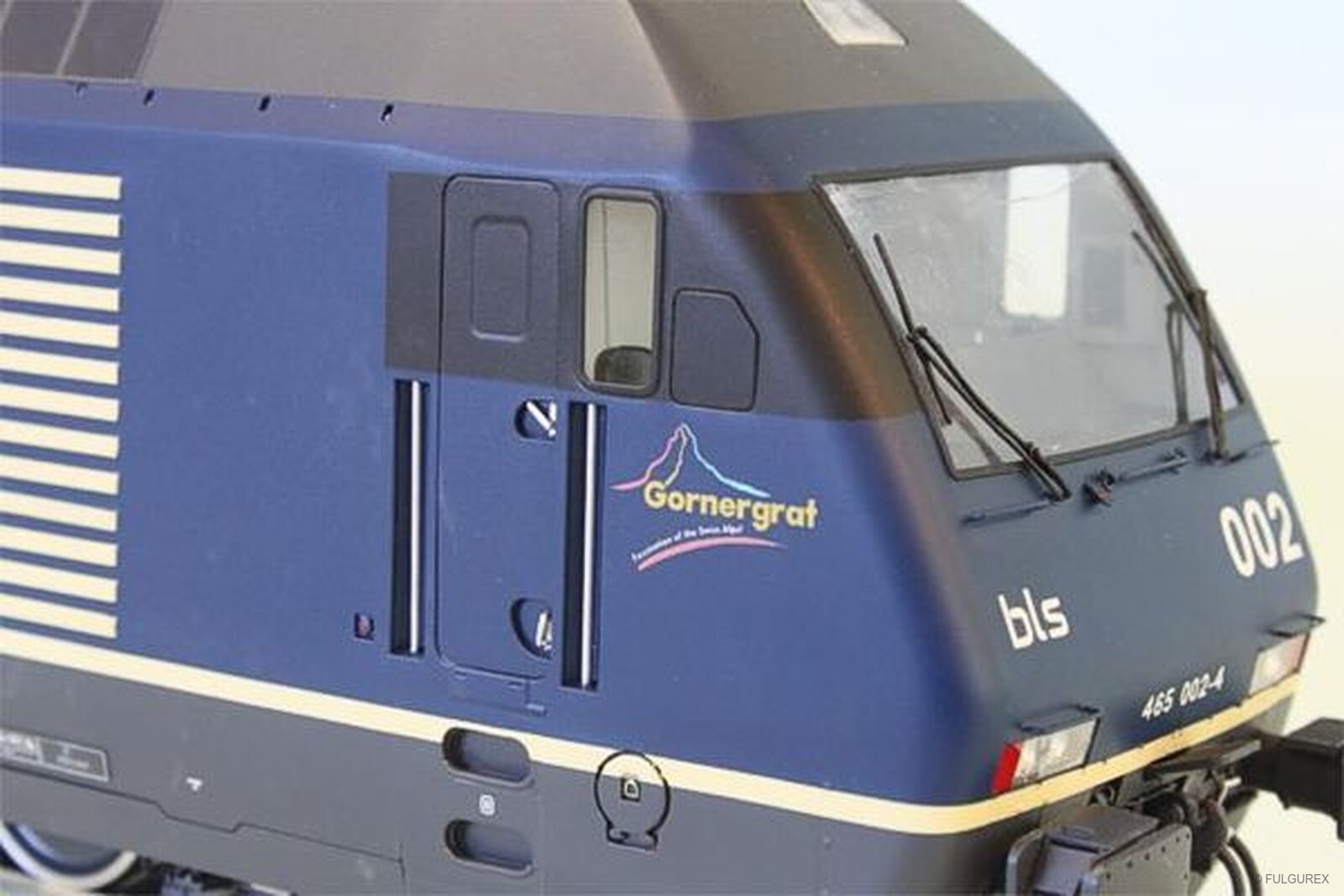
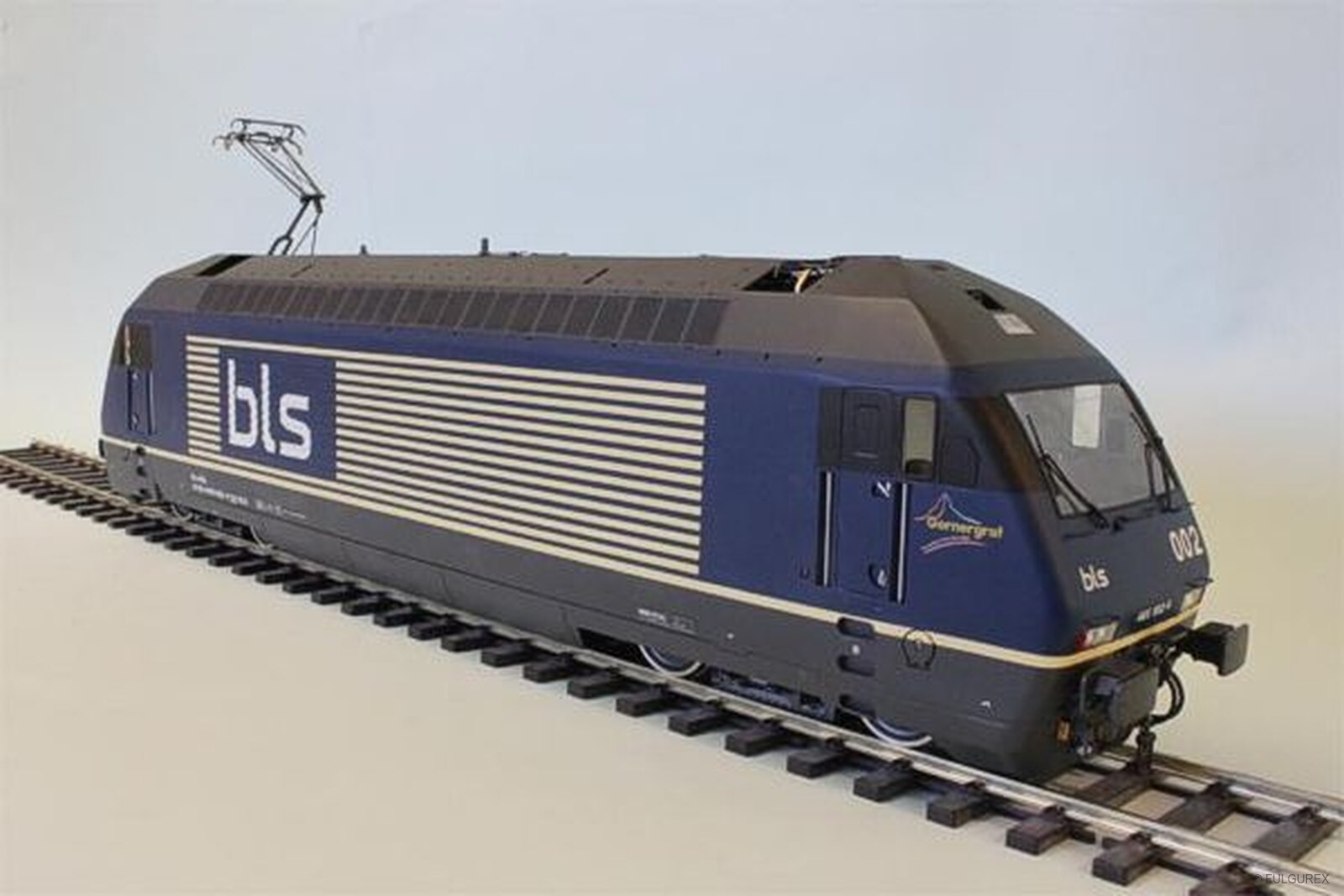
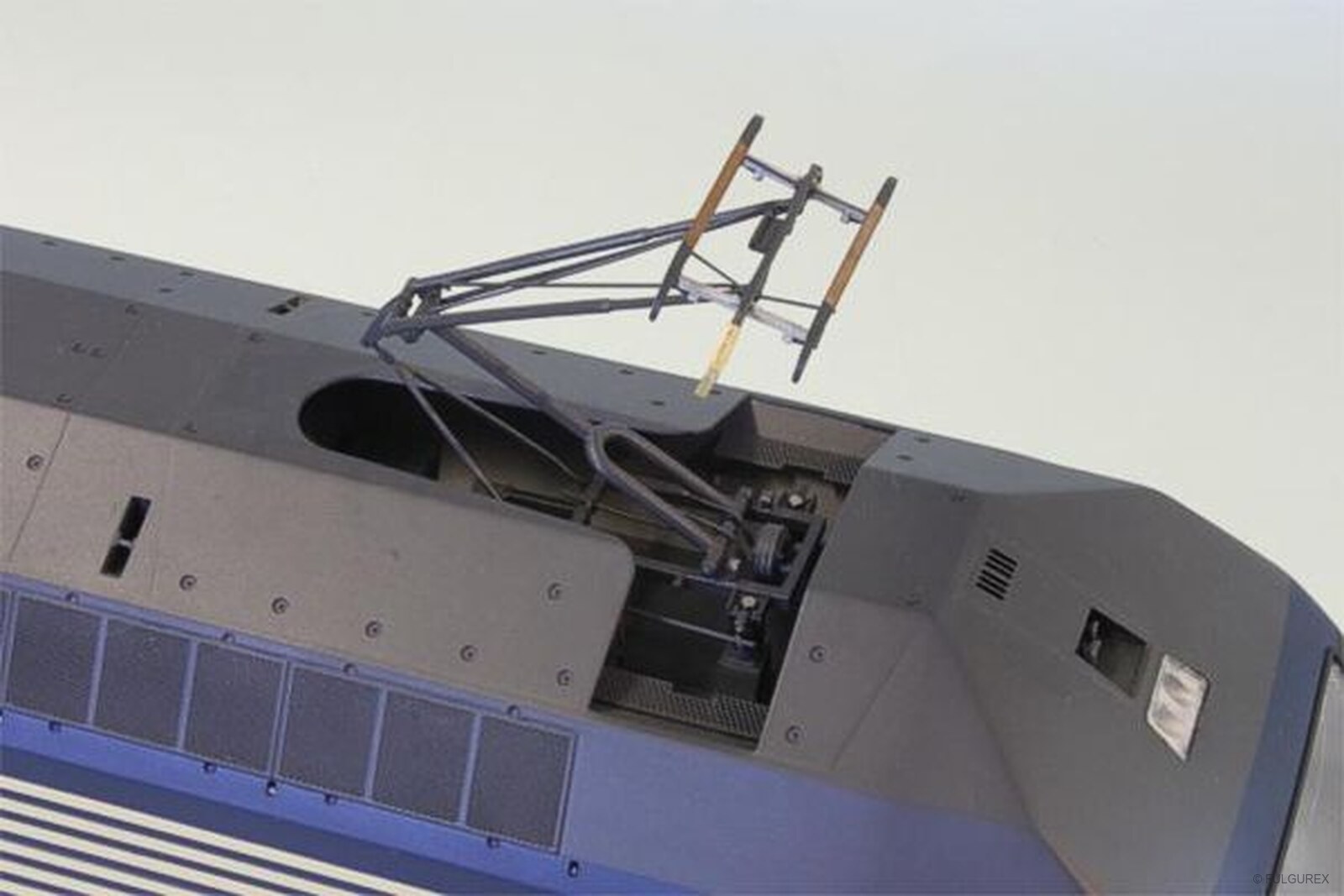
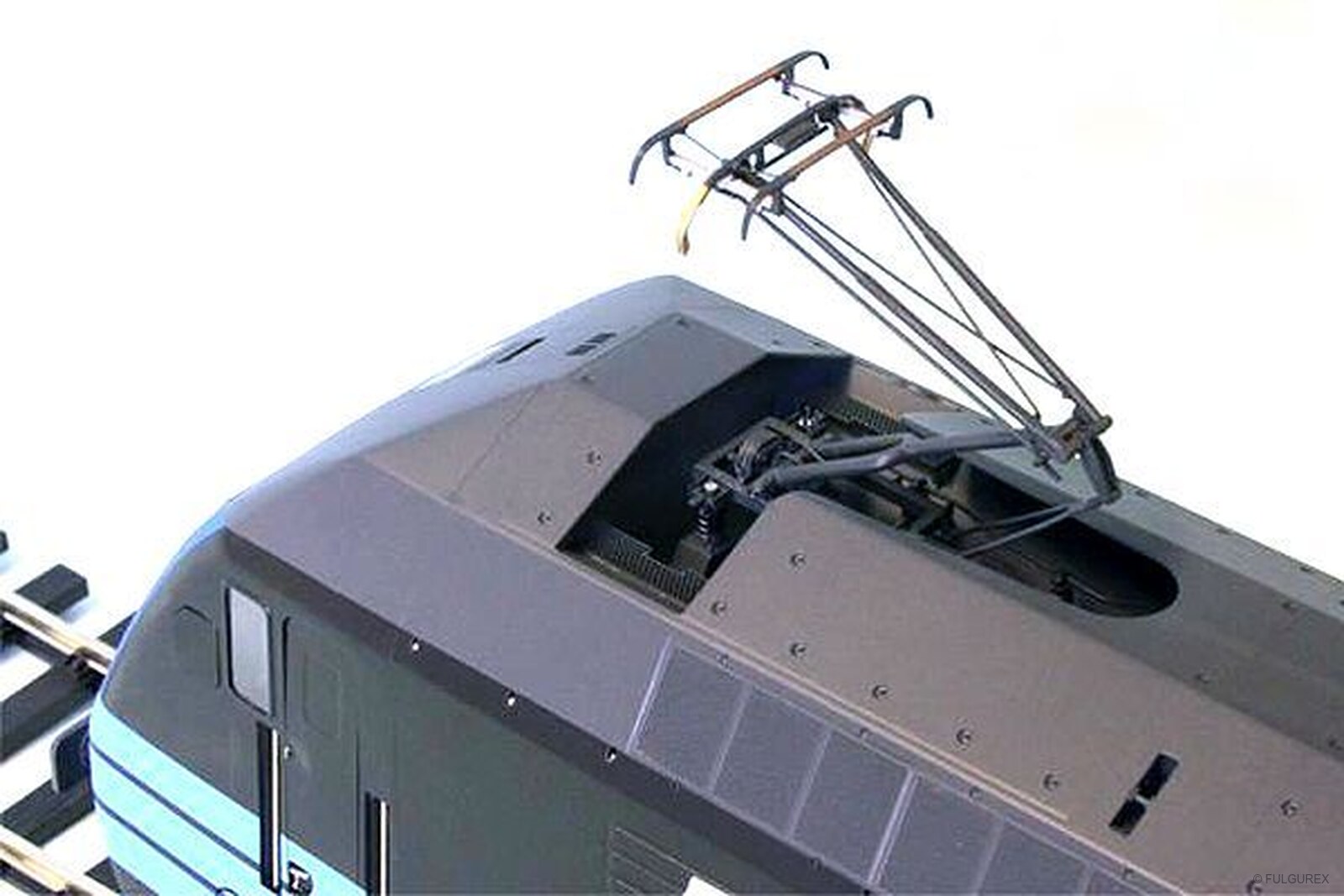
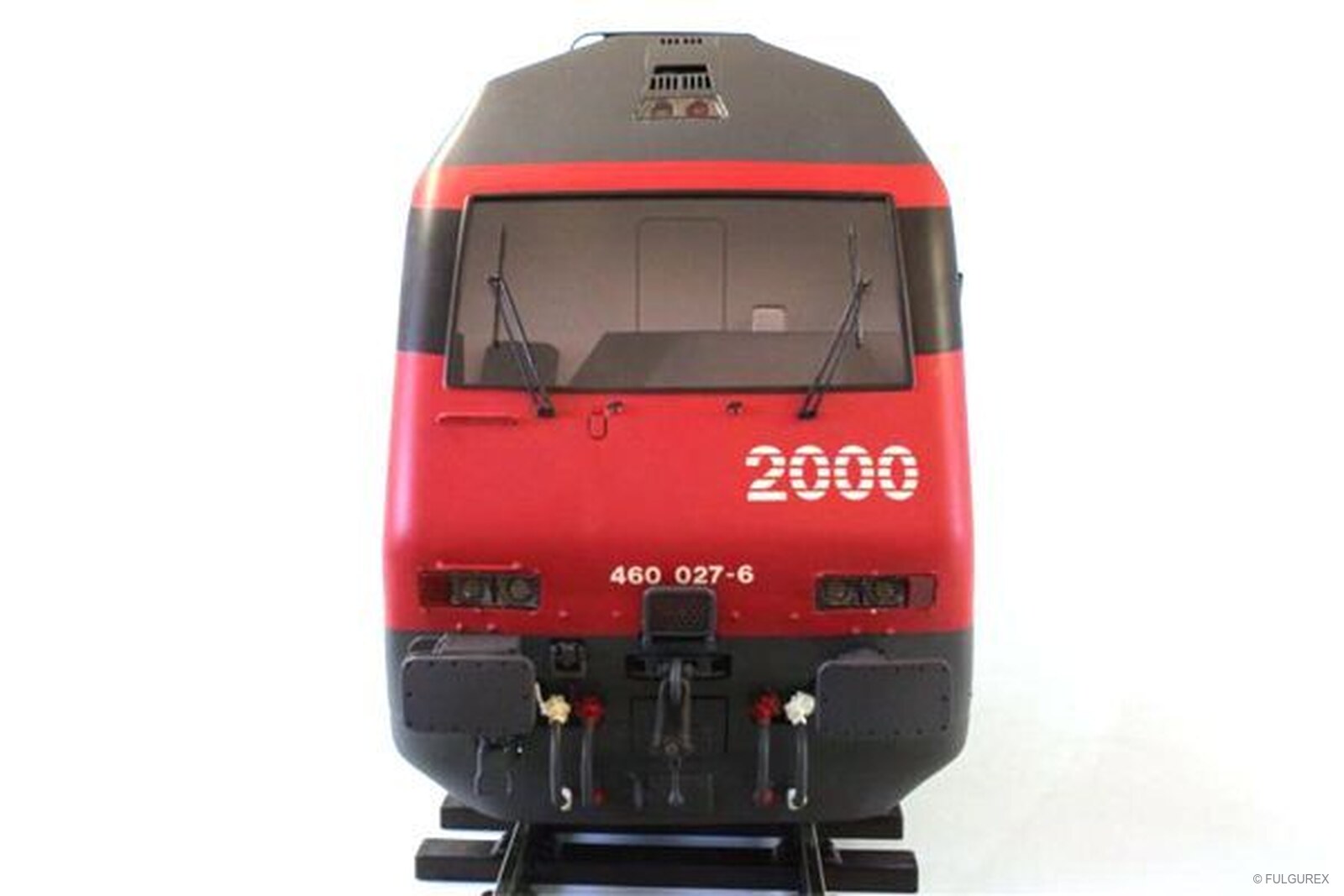
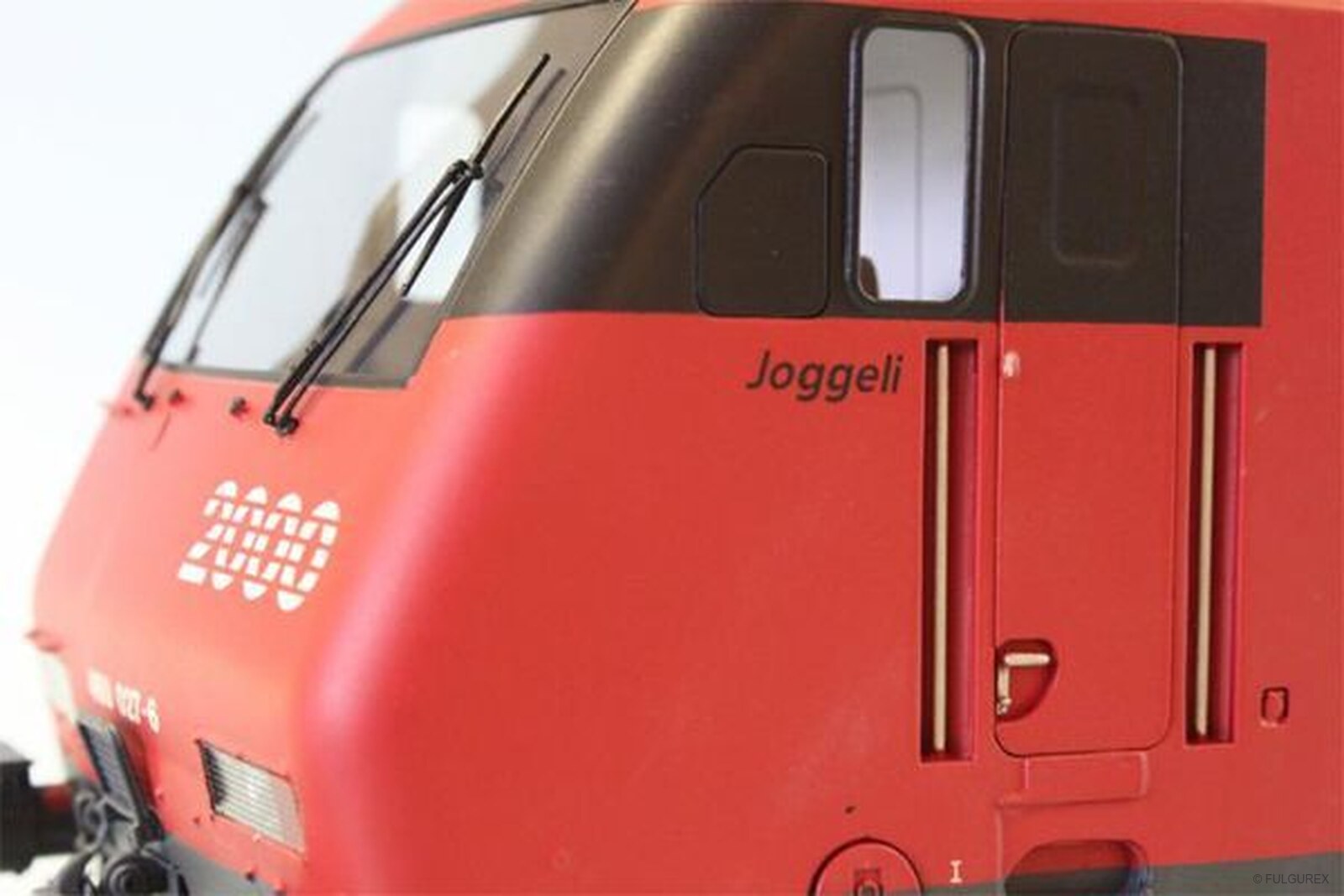
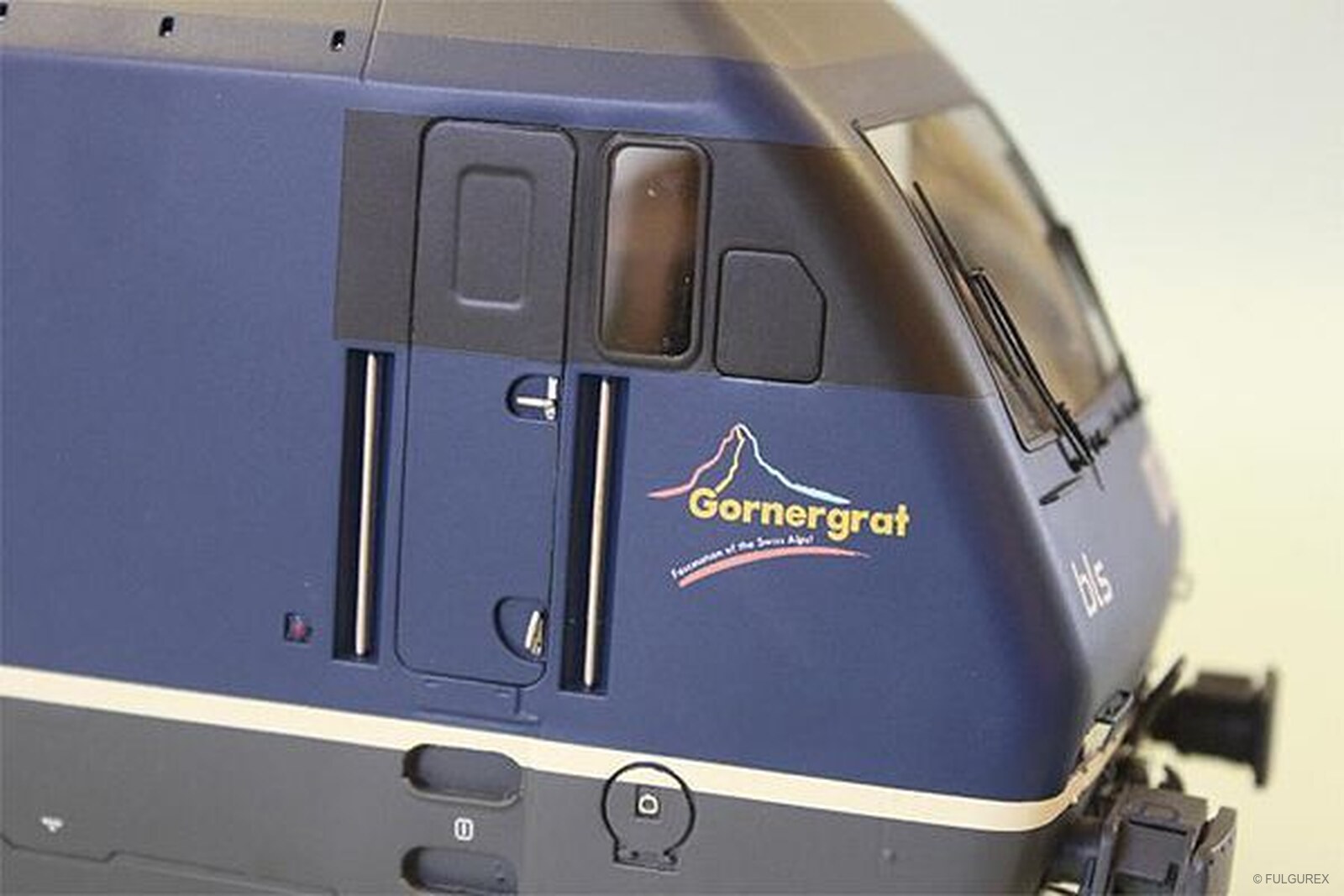
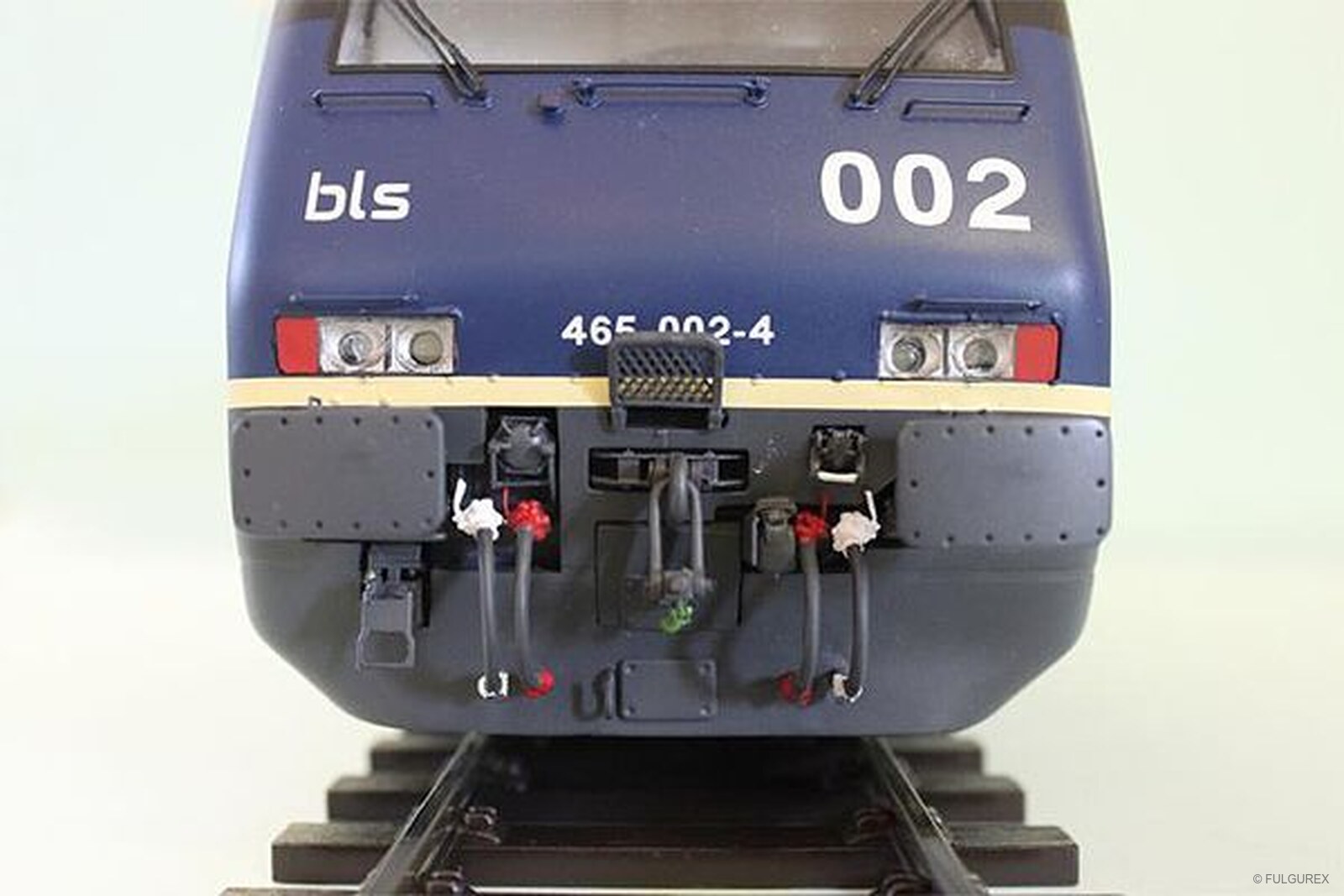
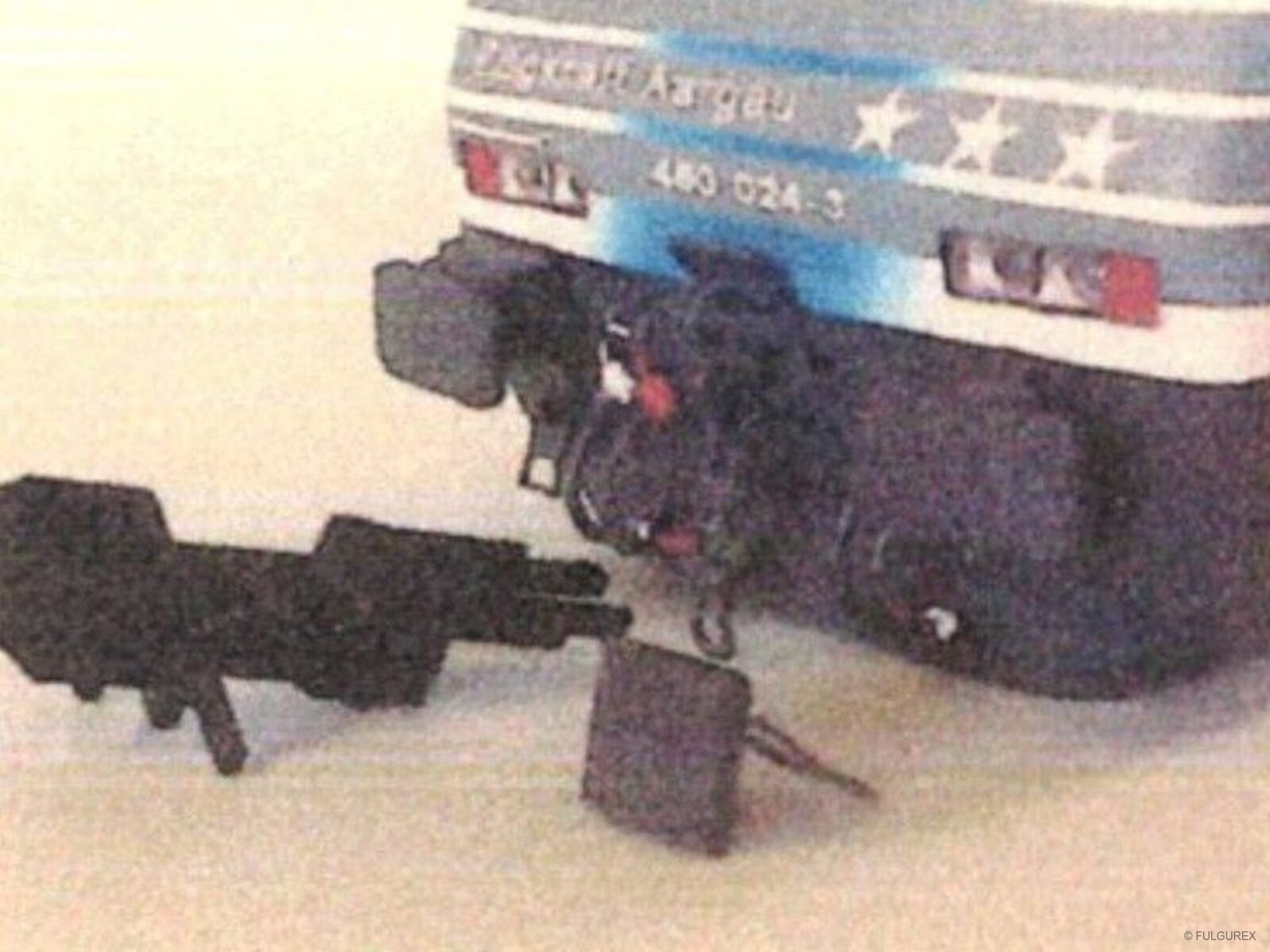
With the approval of the "Rail 2000" project, the green light had been given not only for improving Switzerland's railway infrastructure but also for the development and construction of a new high-speed locomotive. In 1985 the SBB commissioned SLM and ABB to build a versatile four-axle express locomotive with a top speed of over 200 km/h. The first 12 locomotives were ordered in 1987 and delivered in 1992. The first test runs ended in "fiasco": more than 450 larger and smaller teething troubles had to be eliminated.
The design, however, was a success from the start: drawn by the Italian designer Pininfarina, it gave the locomotive a streamlined look.
Alongside the Re 465, the BLS had 18 locomotives of identical construction built, the only difference being that they were of lighter construction and had more powerful motors.